Blackfall: Cyborgs Down Beginner Guide — Everything You Need for Your First Deploy
Blackfall: Cyborgs Down drops you onto a war-torn sci-fi island with nothing but your Valor Cyborg and a mission to survive. This beginner guide covers the core mechanics, smart looting habits, class selection, skill-tree planning, and your first steps into Prime Battle mode so you can avoid the mistakes that wipe most rookies on their first deploy.
Deploying and Getting Your Bearings
Every match begins with a deploy — you select a landing zone on the island map and drop in with your chosen Valor Cyborg. Pay attention to the terrain before you commit; landing near fortified enemy positions without the right loadout is the fastest way to end a run early. Gates and barricades around hostile compounds can be destroyed with explosive ordnance such as C4 or anti-tank launchers, so if you plan to push a defended area, make sure you bring the tools to crack it open rather than waiting for an opening.
Once on the ground, toggle the interactive-object highlight in your HUD settings. This outlines every lootable container, data terminal, and resource node in your vicinity, making it far easier to spot gear hidden in wreckage or tucked behind cover. Loot aggressively and loot everything — there is no penalty for grabbing items from any container you find, and early-game resources fuel your weapon upgrades and skill unlocks.
Understanding the Four Classes and 18 Valor Cyborgs
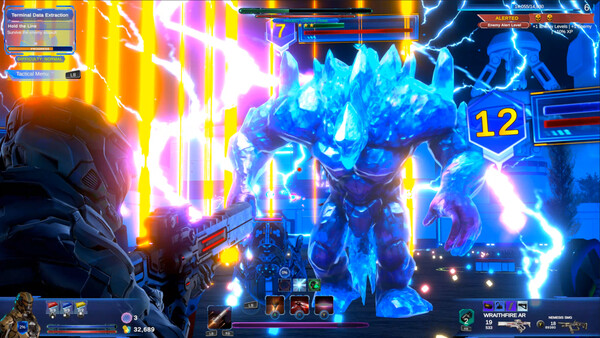
Blackfall offers 18 Valor Cyborgs spread across four distinct classes. Each class fills a battlefield role — front-line assault, long-range support, tactical disruption, and team sustain — and your Cyborg choice within that class determines your passive abilities and starting gear. New players should experiment with at least one Cyborg from each class before committing upgrade resources, since your playstyle may not match the class you initially assume you will prefer.
When selecting your first Cyborg, consider how it synergizes with the squad. A full team of assault-class Cyborgs will hit hard but fold quickly under sustained fire from tanky enemies. Mixing in a sustain or disruption pick gives the squad durability. Group movement is also worth adjusting in gameplay settings — enabling party-follow so your AI squadmates move together saves time and keeps your formation tight during exploration.
Weapons, Weak Points, and Combat Fundamentals
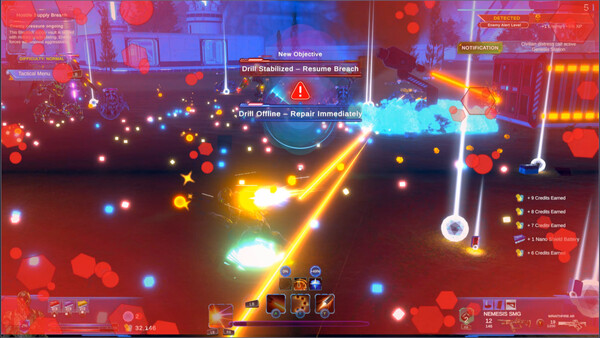
With over 60 weapon models available, choosing the right firearm for the situation matters more than raw damage numbers. Heavily armored cyborg enemies have specific weak points — exposed heat sinks on their backs and vulnerable panels above their treads or joints. Targeting these weak spots with medium-penetration or anti-tank weapons deals dramatically more damage than spraying center-mass. If an enemy is facing you and will not turn, shift your aim to side-mounted components instead.
Positioning is just as important as aim. Gaining elevated ground gives you clear sightlines to enemy weak points and fabrication structures that spawn reinforcements. Use explosive tools or the environment to reach vantage points, but be aware that some surfaces cannot support drop-pod landings or heavy equipment, so plan your approach before committing to a rooftop or ledge.
Always keep a balanced loadout: one primary for general engagements, one heavy weapon for armored targets, and a utility slot for shields or area denial. Running double assault rifles may feel comfortable, but the first shielded mech you encounter will punish the lack of anti-armor capability.
Navigating the 67-Node Skill Tree
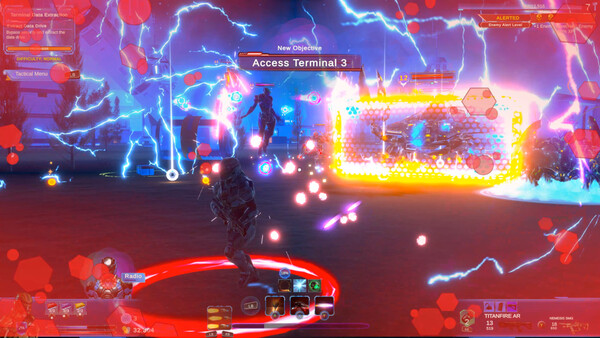
The skill tree contains 67 nodes branching across offensive, defensive, and utility paths. Early on, resist the urge to spread points thinly across all three branches. Pick one primary path that complements your chosen class — for example, an assault Cyborg benefits most from the offensive branch's early unlocks — and invest enough to reach the first major milestone node before branching out.
Exploration rewards such as hidden collectibles scattered across the island grant permanent stat buffs to your roster, effectively giving you free progression outside the skill tree. Sweep every corner of each map area, check behind environmental cover, and interact with data terminals to uncover these bonuses before moving to the next zone. These small gains compound significantly over a full campaign.
Introduction to Prime Battle Mode
Once you have progressed far enough in the main campaign, you unlock Prime Battle — a turn-based 6v6 tactical mode where you deploy and command heavy mechs. This mode plays very differently from the real-time looter-shooter core, rewarding careful positioning, ability sequencing, and team composition over reflex aim. Treat it as a separate game within the game and spend time learning mech stat sheets before queuing.
Mechs are collected and upgraded using resources earned in both the main campaign and Prime Battle itself, so consistent looting during your deploy runs directly feeds your mech roster. Prioritize upgrading one or two mechs to competitive strength rather than spreading resources across your entire hangar — a single well-built mech contributes far more to a 6v6 match than six under-leveled ones.