Prime Battle 6v6 Guide — Mech Collection, Upgrades & Turn-Based Tactics
Prime Battle is the turn-based 6v6 mode in Blackfall: Cyborgs Down that shifts the gameplay from high-intensity third-person shooting to strategic mech combat. In this mode, players collect heavy mechs, upgrade them through dedicated progression paths, and deploy squads of six to clash in tactical engagements on the war-torn island.
Prime Battle Mode Overview
Prime Battle is a distinct game mode that complements the core looter-shooter experience of Blackfall: Cyborgs Down. While the main gameplay loop centers on real-time third-person combat with your Valor Cyborg, Prime Battle triggers a shift into turn-based tactical encounters where heavy mechs take center stage. Each battle pits a squad of six mechs against an opposing squad of six, requiring careful planning and strategic decision-making rather than reflex-driven shooting.
Accessing Prime Battle becomes available as you progress through the island's war-torn zones. The mode serves as an endgame layer that rewards players who invest time in mech collection and upgrades, offering a fundamentally different way to engage with the game's sci-fi combat systems. Because the mode is turn-based, it also gives players time to leverage knowledge of mech abilities, positioning, and team composition rather than relying purely on mechanical skill.
The transition between the real-time looter-shooter gameplay and the turn-based Prime Battle mode is one of the defining features of Blackfall: Cyborgs Down, blending two genres in a way that keeps the gameplay loop fresh across extended play sessions.
Mech Collection and Acquisition
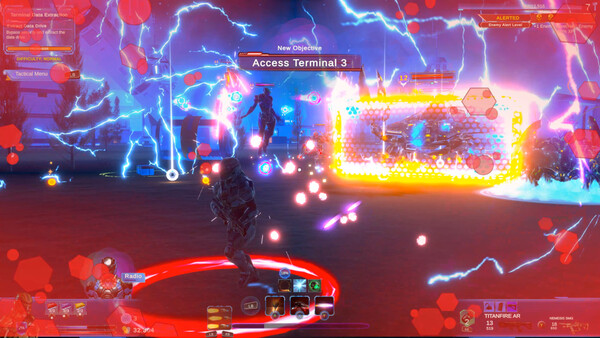
Heavy mechs are the backbone of Prime Battle, and building a diverse roster is essential before entering 6v6 engagements. Mechs are acquired through the game's looter mechanics — drops from combat encounters, crafting, and progression rewards all feed into your growing collection. Since the main game features 18 Valor Cyborgs spread across four distinct classes, the mechs you discover often complement the class archetypes you already favor in the shooter mode.
Each mech brings unique capabilities to the turn-based battlefield, and no single unit dominates every matchup. Prioritize collecting mechs that cover multiple tactical roles — frontline tanks, ranged damage dealers, and support-oriented frames — so you can adapt your six-unit squad to counter whatever your opponent fields. The game's crafting systems also factor into mech acquisition, allowing you to work toward specific units rather than relying solely on random drops.
Upgrade Paths and Progression
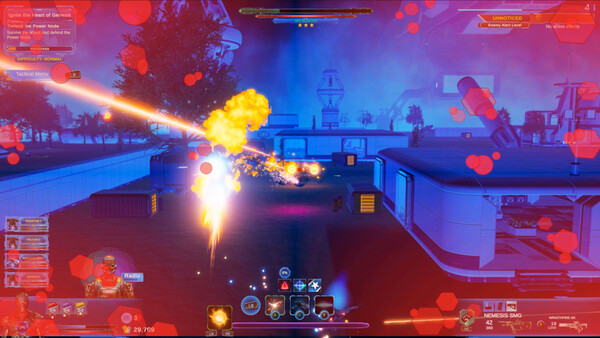
Once you have mechs in your roster, upgrading them is where the real depth begins. The game's broader progression systems — including elements of the 67-node skill tree — feed into how powerful your mechs become in Prime Battle. Upgrades can enhance a mech's offensive output, survivability, or utility, and choosing which path to invest in should align with the role that mech fills on your squad.
Resource management is critical when upgrading. Rather than spreading upgrades thinly across your entire collection, focus on fully developing a core team of six mechs first. A well-upgraded squad of six will outperform a larger but underleveled roster in virtually every 6v6 scenario. Once your primary team is battle-ready, begin investing in backup mechs to give yourself flexibility in team composition.
Keep in mind that the 60-plus weapon models available in the main game can influence mech loadouts as well. Experimentation with different weapon and upgrade combinations often reveals synergies that are not immediately obvious, so test new configurations before committing limited upgrade resources.
Building a Winning 6v6 Team Composition
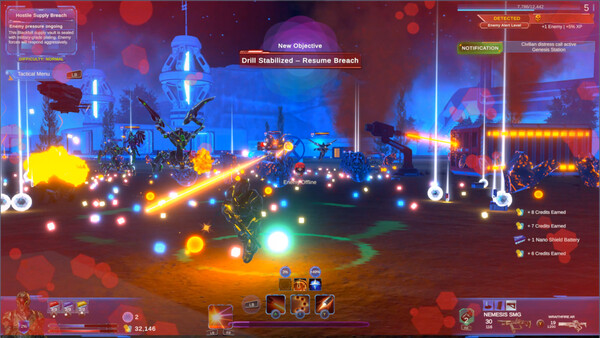
Assembling a competitive six-mech squad requires balancing offense, defense, and tactical flexibility. Drawing on the four Valor Cyborg classes as a framework, aim to include mechs that can absorb damage on the front line, deal consistent ranged damage from safety, and provide disruptive abilities that shift the momentum of a turn-based engagement. A squad that leans too heavily into one role will crumble against a well-rounded opponent.
Turn order and ability sequencing matter enormously in Prime Battle. Position your tankier mechs to absorb incoming attacks early in a round while your damage-oriented units follow up with high-impact strikes. Do not overlook melee-capable mechs either — as the game itself highlights, cyborgs and their mechs can deliver devastating close-range attacks that many players fail to account for in their defensive planning.
Adaptability wins matches. Maintain at least two or three alternative mechs on your bench that you can rotate into your lineup depending on the opposition. Scouting your opponent's tendencies and adjusting your squad composition between encounters is what separates consistent winners from players who rely on a single rigid strategy.
Advanced Tactics and Tips
Veteran Prime Battle players understand that the mode rewards patience and information. Use early turns to probe your opponent's setup — identify which of their six mechs poses the greatest threat and prioritize neutralizing it before it can deal sustained damage. Focusing fire on a single high-value target is almost always more effective than spreading damage across the entire enemy squad.
Leverage the skill tree to your advantage. Certain nodes within the 67-node tree provide passive bonuses that carry over into Prime Battle, so plan your skill investments with both the real-time and turn-based modes in mind. A hybrid build that strengthens your Valor Cyborg in the shooter gameplay while also boosting mech performance in Prime Battle will yield the best overall progression efficiency.
Finally, do not neglect the PvE encounters that feed mech acquisition and upgrade materials. The core looter-shooter loop and the turn-based Prime Battle mode are designed to reinforce each other — stronger mechs help you clear tougher PvE content, which in turn drops better resources to further upgrade your squad. Embracing both halves of the game is the fastest path to building a dominant 6v6 roster.